
The Alchemy of Light and Shadow
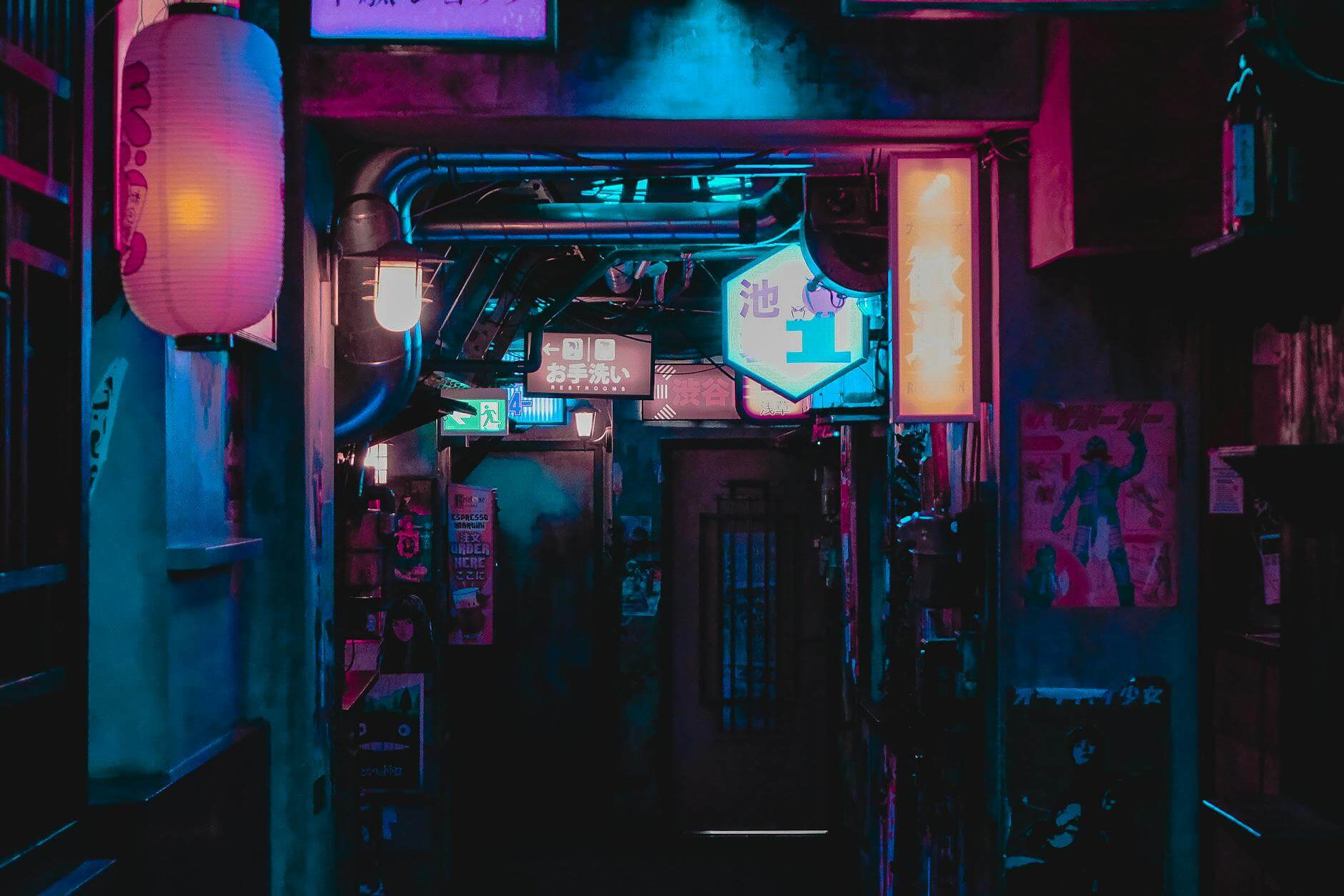
In the Authors Lounge, I often find myself returning to a specific mood. It’s the feeling of a city that never sleeps, but is always dreaming. It’s the contrast between the clinical glow of a skyscraper and the damp grime of a back alley. I call this Neon Noir.
By 2026, the Neon Noir aesthetic has moved beyond the screen and into the very soul of the Independent Author. It is no longer just a visual style; it is a way of seeing the world. It is a philosophy that embraces the “High Tech, Low Life” reality of our era, where we use cutting-edge AI Writing Assistants to tell stories about the timeless human condition.
To write in this style is to master the Chiaroscuro of the Word—the art of using light to make the darkness feel even deeper.
Heads up: Some of the links below are affiliate links. If you buy something through them, I get a small commission at no extra cost to you. It helps keep this site running and the coffee brewing. Thanks for the support!
The Hardboiled Roots (The “Old” Noir)
Before there was neon, there was the “Hardboiled” prose of the 1930s and 40s. Writers like Raymond Chandler and Dashiell Hammett stripped away the flowery metaphors of the Victorian era and replaced them with a language that was as cold and sharp as a Saturday night special.
The Chandler-esque Foundation:
- The City as an Antagonist: In The Big Sleep, Los Angeles isn’t just a setting; it’s a trap. It’s a place where the sun is too bright and the shadows hide too many secrets.
- The Cynical Observer: The protagonist isn’t a hero; they are a survivor. They have a “Ghost” (as we discussed in our Architecture of Character guide) that makes them wary of the world.
- The Rhythm of the Street: Short, punchy sentences. Dialogue that sounds like a slap to the face.
The Lesson for the Modern Craft: Even in 2026, a sci-fi epic or a contemporary thriller needs this “Noir Heart.” Without the cynicism and the grit, neon is just pretty light. To write Neon Noir, you must first understand the Urban Melancholy of the original masters.
The Electric Shift (From Film to Prose)
The transition from “Classic Noir” to “Neon Noir” happened when the shadows of the city met the electricity of the future. The landmark moment was, of course, Blade Runner (1982), but for authors, the real shift occurred with William Gibson’s Neuromancer.
Gibson took the hardboiled detective and threw him into a world of “Cyberspace” and “Chrome.” Suddenly, the rain wasn’t just rain; it was “acid-black,” and the sky was “the color of television, tuned to a dead channel.”
The Neon Noir Comparison
| Element | Classic Noir (Chandler) | Neon Noir (Cyberpunk/2026) |
| Primary Light | Streetlamps / Cigarette glow | Neon signs / Holograms / Screen glare |
| Atmosphere | Fog / Smoke / Shadow | Rain / Steam / Digital glitch |
| The “Enemy” | The Corrupt System / The Mob | The Megacorp / The Algorithm |
| The Tone | Melancholic / Realistic | Dystopian / Surreal |
| The Language | Staccato / Dry | Sensory / Tech-Heavy / Gritty |
Writing the Neon (Techniques for the Modern Author)
How do you capture this aesthetic in your prose without it sounding like a cliché? You use the Psychogeography of your setting to dictate the rhythm of your words.
1. Chiaroscuro in Prose: The Art of Contrast
In Neon Noir, the light should always be “expensive” and the shadow should be “free.” When you describe a scene, don’t just say it’s dark. Describe the source of the light and how it fails to illuminate the corners of the room.
- Sudowrite Tip: Use the Describe tool with the “Visual” sensory setting. Specifically ask for “high-contrast lighting” or “flickering artificial glow.”
2. The Sensory “Grit”
Neon Noir is visceral. It’s the smell of ozone before a storm, the hum of a server farm, the tactile feel of cold wet metal.
- The Technique: “Animate the Inanimate.” Make the neon sign “scream” or “sputter.” Make the skyscrapers “watch” the protagonist like silent titans. This gives the city a soul—or a lack of one.
3. The “Voice” of the Void
As we discussed in my Voice Cloning guide, the Noir voice is one of detachment. The narrator should sound like they’ve seen it all and expected none of it to be good. Use “Hardboiled Similes” (e.g., “The truth was as welcome as a cold shower in February”).

Applying Neon Noir to Any Genre
You don’t have to write Sci-Fi to use the Neon Noir aesthetic. It is a Mood Template that can be applied to almost anything.
- Urban Romance: Focus on the isolation of two people finding each other in a cold, electric city. Use the “Hopperesque” silence we studied in the Edward Hopper article.
- The Modern Thriller: Instead of an old-school detective, your protagonist is a “Data Flâneur,” navigating the digital underbelly of the city.
- Literary Fiction: Use the aesthetic to explore themes of alienation and the loss of identity in the age of the machine.
[Want to see how this aesthetic looks in your daily routine? Revisit my 24-Hour AI Writing Cycle.]
My Take: Why I Can’t Quit the Rain
People ask me why I’m obsessed with this aesthetic. “Isn’t it too bleak?” they say.
I tell them: No. Neon Noir isn’t about the darkness; it’s about the light that refuses to go out. In the vast, cold architecture of the modern city, a single lit window or a flickering sign is a symbol of human presence. As a modern author, I write Neon Noir because it’s the most honest way to describe the experience of living in 2026. We are all drifting through the neon, looking for a story that feels real.
FAQ: Mastering the Aesthetic
1. Is Neon Noir only for “Cyberpunk” stories?
Not at all. Think of Neon Noir as “Classic Noir 2.0.” It can fit into a contemporary police procedural, a supernatural mystery, or even a dark fantasy set in a modern metropolis.
2. How do I avoid “clichés” (like the detective in a trench coat)?
Subvert the tropes. Maybe your detective is an AI developer. Maybe the “femme fatale” is a piece of rogue software. Keep the mood (rain, neon, isolation), but change the actors.
3. Does the aesthetic help with sales?
In 2026, “Atmospheric” books have high Click-Through Rates. A Neon Noir cover—with high contrast and vibrant, electric colors—stands out in a sea of generic designs. It’s an immediate “vibe” that attracts a specific, loyal audience.
[“The Art of Blade Runner 2049” – The ultimate visual bible for any author looking to master the Neon Noir aesthetic. Get it on Amazon.]
Conclusion: The City is the Story
The neon is flickering. The rain is starting to fall. The “Urban Ghost” is waiting for you in the shadows of the next chapter.
As you sit at your Minimalist Desk, remember that you are part of a long lineage of observers. From the smoke-filled rooms of the 1940s to the neon-drenched streets of 2026, the goal remains the same: to find the truth in the silence of the city.
Pick up your Space Pen. Turn on your Digital Candle. And start writing the light.

Leave a Reply