
The Art of Aimless Wandering
In the hyper-productive world of 2026, where we measure our success by word counts, 24-Hour AI Writing Cycles, and conversion rates, the idea of “walking for the sake of walking” seems almost scandalous. Yet, for the Modern Author, there is no tool more powerful than the city itself.
Long before we had Sudowrite to expand our sensory details or Mechanical Keyboards to capture our rhythm, writers discovered a secret: the city is a living, breathing text. To read it, you don’t need a library card; you need a pair of comfortable shoes and a willingness to get lost.
This is the philosophy of the Flâneur. It is the art of being a “passionate spectator”—moving through the urban crowd as an observer, a detective of the soul, and a chronicler of the Urban Ghost.
Heads up: Some of the links below are affiliate links. If you buy something through them, I get a small commission at no extra cost to you. It helps keep this site running and the coffee brewing. Thanks for the support!
The 19th-Century Flâneur (Baudelaire)
The term Flâneur was popularized in 19th-century Paris by the poet Charles Baudelaire. He described the flâneur as a “botanist of the sidewalk”—someone who studies the city with the precision of a scientist but the heart of a romantic.
For Baudelaire, the flâneur was a man who felt at home in the crowd, yet remained entirely separate from it. He was a nomad in the metropolis.
- The Insight: Baudelaire taught us that the writer’s job is to “extract the eternal from the ephemeral.” To see the timeless beauty in a flickering gaslight or the tragedy in a stranger’s passing glance.
The Lesson for the Craft: As an indie author, you must develop the “Flâneur’s Eye.” When you walk through your city, don’t look for “plot points.” Look for Textures. The way the grime settles in the corners of a subway station, the specific cadence of a street vendor’s pitch, the “Subtext” of the city’s silence. These are the details that provide the weight for your Meso-Edit.
Walter Benjamin and the Arcades of Memory
In the 20th century, the philosopher Walter Benjamin took the concept further. He saw the city as a “dreamworld.” For Benjamin, walking through the city was an act of archaeology—every street corner, every shop window, and every arcade was a layer of history and memory.
Benjamin realized that the city affects our internal geography. The spaces we inhabit dictate the stories we can tell.
- The Concept: “Porosity.” Benjamin spoke of how the city and the self bleed into each other. You are not just in the city; the city is in you.
The Lesson for the Craft: This is the foundation of Atmosphere. When you write your urban noir or your contemporary drama, your characters shouldn’t just “exist” in the setting. The setting should be “porous.” Their internal moods should reflect the external geography of the streets they walk.
Psychogeography and the “Dérive” (The Situationists)
In the 1950s, a group of radical thinkers called the Situationist International, led by Guy Debord, invented the term Psychogeography.
Psychogeography is the study of how the geographical environment—the layout of the streets, the height of the buildings, the color of the lights—affects the emotions and behavior of individuals.
The Dérive (The Drift)
Debord’s most famous technique was the dérive (the drift). To go on a dérive is to drop your usual motives for movement (work, shopping, appointments) and let yourself be “pulled” by the city’s energy. You follow a certain smell, a sound, or a mysterious alleyway just because it “feels” right.
Psychogeographical Tools for Authors:
The Drift (Dérive): Walk without a map or destination. Discover unexpected locations and moods.
Mapping Emotions: Color-code a map based on how you feel in different areas. Build a “Tension Map” for your novel’s setting.
The Collision: Take two unrelated urban elements and force them together. Generate unique “Hardboiled Similes.”
The Modern Flâneur (2026)
How do we practice psychogeography in the age of AI? The 2026 flâneur is “Augmented.” We are the same observers Baudelaire was, but our tools have evolved.
1. The Digital Sketchbook
Instead of a quill, we carry the reMarkable 2 or a smartphone. During your dérive, capture snippets of Spontaneous Prose. Don’t wait until you get home to your Minimalist Desk. Capture the “Vibe” while it’s still fresh.
2. AI as an Urban Interpreter
Use Sudowrite to “interrogate” your observations.
- The Prompt: “I am standing in an abandoned industrial district at dusk. The air smells like wet iron and ozone. Based on the principles of Psychogeography, describe how this environment would affect a character who is fleeing from their past.” This creates a synergy between your real-world observation and the AI’s analytical power, resulting in prose that is both grounded and evocative.
3. The Soundtrack of the Craft
The modern flâneur uses sound to “curate” their urban experience. By choosing the right soundscape—whether it’s Jazz for a noir walk or Ambient Drone for a sci-fi session—you are consciously designing your psychogeographical experience.
Practical Exercises: Becoming a Psychogeographer
- The “Opposite” Route: On your next walk, intentionally take every turn that feels “wrong” or uninviting. Document the discomfort. This is where your antagonists live.
- The Sensory Hunt: Go for a 30-minute walk. Your only job is to find three distinct smells and three distinct sounds. Use the Sudowrite Describe tool to expand them into a full paragraph.
- The Stranger’s Shadow: Follow a person in the crowd (at a respectful distance) for two blocks. Imagine their Ghost, their Lie, and their Internal Need. This is the ultimate “Character Architecture” exercise.

My Take: The City is Your Co-Writer
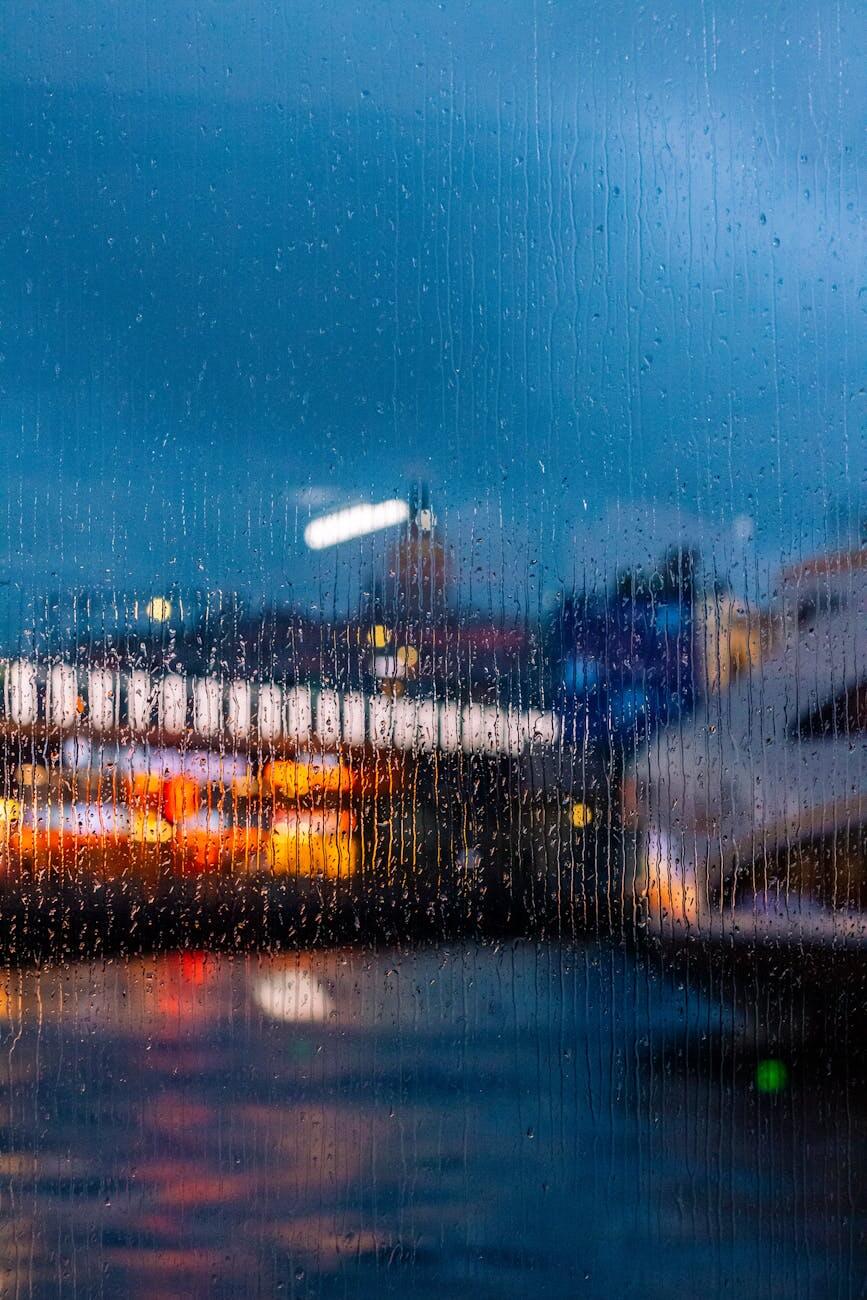
I used to think that “world-building” was something I did at my desk, looking at Pinterest boards. I was wrong. Real world-building happens when you’re standing at a bus stop in the rain at 11 PM, watching the way the neon light fractures in the oil on the road.
The city is full of “Urban Ghosts”—stories that have been lived, forgotten, or imagined. As an author, your job is to be the medium. Don’t just write about the city. Let the city write through you. Embrace the drift. Find the poetry in the grit. Become a flâneur.
[Want to see how these urban observations turn into polished prose? Revisit my view on the Art of the Edit.]
[“The Arcades Project” by Walter Benjamin – The massive, unfinished masterpiece of urban observation. A must-read for any serious psychogeographer. Get it on Amazon.]
FAQ: The Flâneur in 2026
1. Is it safe to drift in a modern city? Always prioritize safety. Psychogeography is about “poetic” drifting, not taking unnecessary risks. Stick to public areas and trust your intuition.
2. Can I be a flâneur in a small town? Absolutely. Psychogeography isn’t about the size of the city; it’s about the depth of the observation. A single village street has enough “layers” to fuel a whole trilogy if you look closely enough.
3. How do I explain “psychogeography” to my readers? You don’t have to use the fancy word. Just show it to them. When they feel the “mood” of your setting, they are experiencing psychogeography.
[Capture your urban drifts in style with “Field Notes” – The legendary pocket-sized notebooks used by observers everywhere. Check them out on Amazon.]
Conclusion: Walk into the Story
The city is waiting for you. It is a labyrinth of subtext, a cathedral of atmosphere, and a warehouse of conflict. Turn off your notifications, grab your Space Pen, and step out the door.
Don’t be a tourist in your own life. Be a flâneur. The “Urban Ghost” is calling. Will you answer?

Leave a Reply