
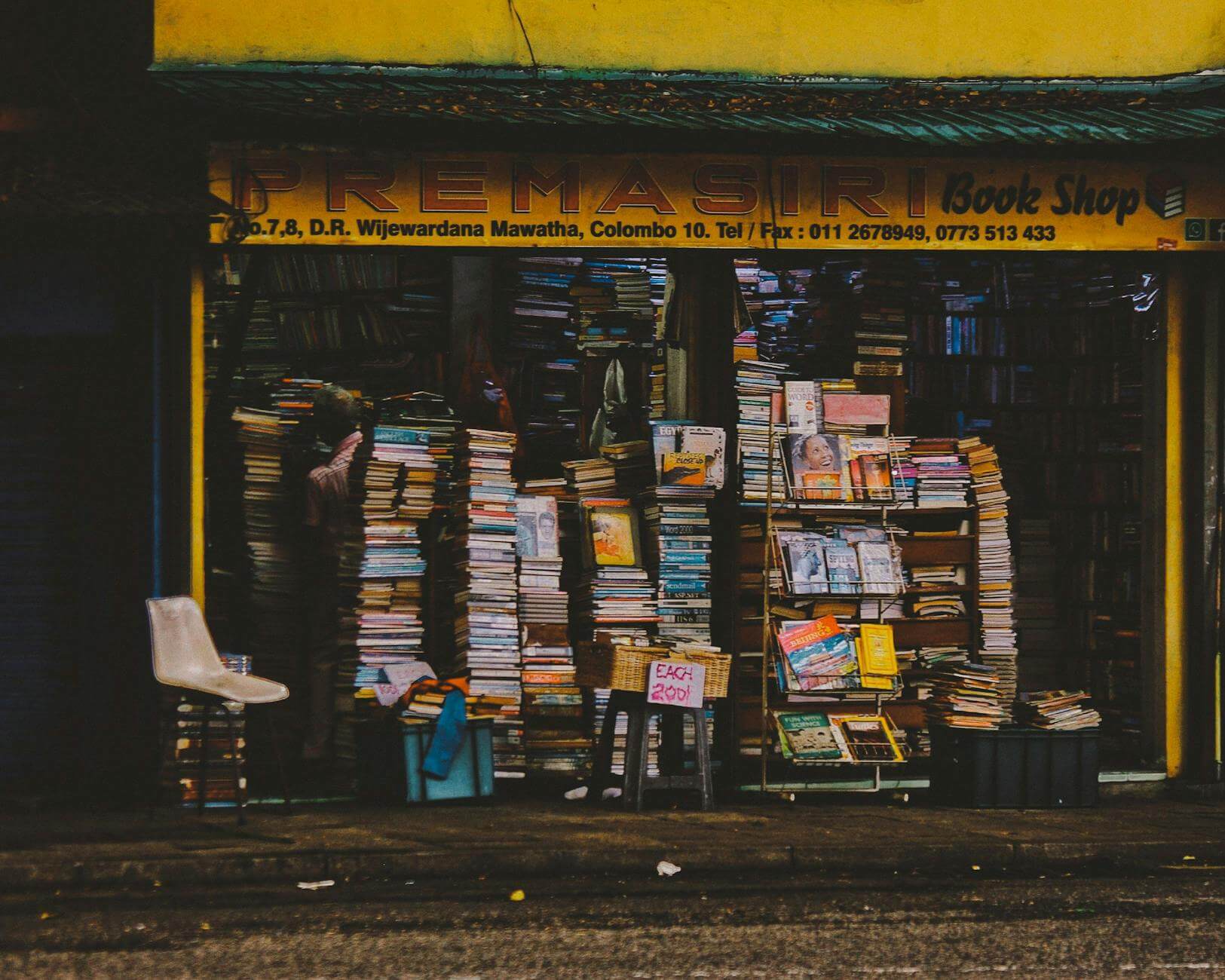
The Physical Frontier of 2026
We spend so much time optimizing our Amazon Metadata and tweaking our Direct Sales stores that we often forget one of the most powerful marketing tools at our disposal: The real world. In the age of the Modern Craft, there is a renewed hunger for physical objects and local connections. Readers want to find “hidden gems” in their neighborhood cafe or the independent bookstore around the corner. For a Modern Author, getting your book onto a physical shelf is the ultimate “vibe check.” It signals to your community that you aren’t just a digital ghost; you are a local creator.
But how do you cross that threshold? Most authors fail because they send a generic, “copy-paste” email that smells like desperation. To get in, you need a strategy that feels less like a cold pitch and more like an urban invitation.
Heads up: Some of the links below are affiliate links. If you buy something through them, I get a small commission at no extra cost to you. It helps keep this site running and the coffee brewing. Thanks for the support!
The Research: Finding Your “Vibe-Aligned” Spots
Don’t pitch every bookstore in the city. You are looking for places that match the Urban-Indie aesthetic of your work.
- The Independent Bookstore: Look for shops that have a dedicated “Local Authors” section.
- The Thematic Cafe: If you write Urban Noir, look for moody, late-night cafes. If you write literary fiction, look for minimalist, “third-wave” coffee shops.
- The Concept Store: Art galleries or boutiques often carry a small selection of books that fit their “curated” look.
Tip: Visit the place first. Buy a coffee. Observe where they keep their books. Is there a space on the counter? A small shelf by the window? Knowing the layout allows you to make your pitch specific.
The Anatomy of the “Warm” Cold Email
A successful pitch email is short, professional, and focuses on Value, not just your book. The owner of a cafe or bookstore is busy. They don’t want your life story; they want to know if your book will interest their customers.
The Template:
Subject: Local Author Inquiry: [Book Title] – A fit for [Business Name]?
Hi [Owner Name],
My name is [Your Name], and I’m a local author based in [Your Neighborhood]. I’m a frequent visitor to [Business Name]—I love the [specific detail, e.g., the minimalist lighting/the quiet corner], and it’s actually where I wrote several chapters of my new book.
I’ve just released a [Genre] novel titled [Book Title], which explores [One-sentence hook with an urban focus].
Given your focus on [specific vibe, e.g., local creators / gritty atmosphere], I believe [Book Title] would be a great fit for your [Shelf/Display].
I’d love to offer you 3-5 copies on a consignment basis. This means zero risk for you—you only pay for what sells, and I handle the rest.
I’ve attached a high-res cover and a brief “One-Sheet” with more details. Would you be open to me dropping off a review copy this week?
Best regards,
[Your Name]
[Link to your Website]
Understanding the Terms: Consignment vs. Wholesale
Most indie authors are terrified of the “business talk.” In 2026, you generally have two options for physical spots:
| Option | How it Works | The Pro | The Con |
| Consignment | You give them books; they pay you after they sell. | Zero risk for the shop. Easy to say “Yes.” | You have to track the inventory yourself. |
| Wholesale | They buy the books from you at a discount (usually 40-55%). | You get paid upfront. More professional. | Harder for small shops to commit to. |
For cafes and small bookstores, always start with Consignment. It’s the lowest barrier to entry. Once you prove the book sells, you can move to a Wholesale arrangement.
The Follow-Up: The “Space Pen” Signature
The email is the “Hook,” but the “Sale” happens in person.
If they agree to a review copy, don’t just mail it. Drop it off. Dress like the author of your book—match your Indie Brand. Bring a physical “Sell Sheet” that includes your blurb, your reviews, and a QR code to your Direct Sales store.
Bonus: Offer to do a “Small Table Signing” or a “Reading Night.” Small cafes love events that bring in people during their slow hours. You aren’t just selling a book; you are providing an experience for their patrons.

My Take: The Local Win
I remember the first time I saw my book on the counter of my favorite local cafe. It wasn’t about the $15 sale. It was about the fact that a complete stranger picked it up, read the 30-Second Hook, and bought it because it matched the mood of the room.
That one “Local Win” led to a book club invitation, which led to 20 new Newsletter subscribers. Physical presence creates a “Ripple Effect” that digital ads can’t replicate. You should be a celebrity in your own zip code before you try to be a celebrity on the internet.
FAQ: Pitching the Mean Streets
1. What if they say no?
Don’t take it personally. They might just be out of shelf space. Ask if you can check back in three months. Resilience is part of the Modern Craft.
2. How do I track my consignment sales?
Use a simple spreadsheet or a tool like Airtable. Check in with the shop once a month—it’s a great excuse to buy another coffee and stay visible.
3. Do I need a barcode?
Yes. Even small shops use scanners. Ensure your book has a valid ISBN and a clear barcode on the back. It shows you are a professional, not a hobbyist.
[Need an ISBN for your indie project? Bowker is the official source for US-based authors. Get your identifiers here.]
Final Thought: Own Your Neighborhood
The city is your playground. Every bookstore, every cafe, and every library is a potential “Hub” for your brand. Don’t be afraid of the “Cold Email.” If you approach it with respect, authenticity, and a clear value proposition, you’ll find that the “Urban Ghost” of your story finally has a place to rest on a physical shelf.
Leave a Reply