
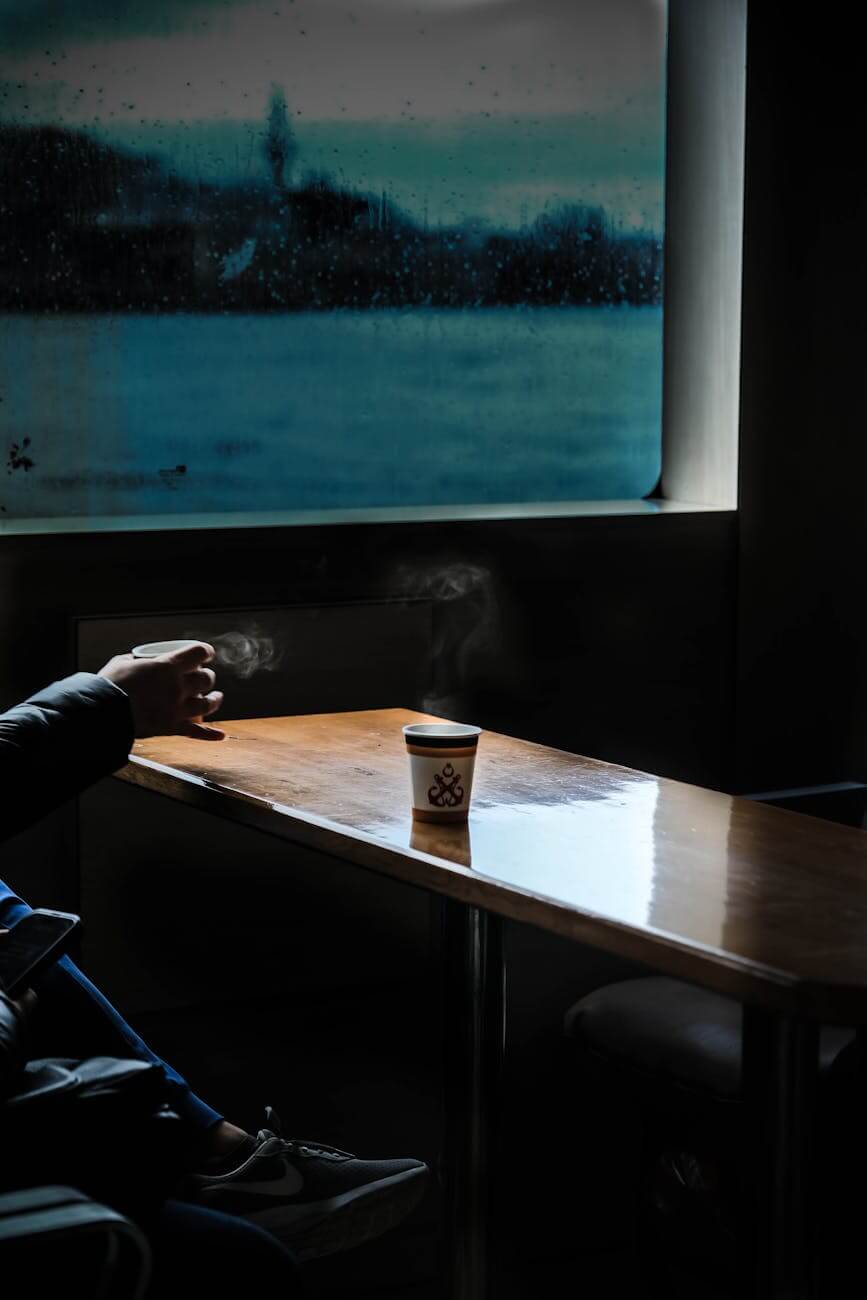
There is a specific kind of magic that happens in the city between the hours of 2 AM and 4 AM. The roar of the traffic has faded into a distant hum. The notifications on your phone have finally stopped their relentless pinging. The world, for a brief window, has hit the “mute” button.
For the author, this isn’t just a time for sleep; it is a liminal space. Writing at night isn’t the same as writing at 10 AM. The ink feels heavier, the shadows feel longer, and the “Internal Critic”—that annoying voice that tells you your prose is garbage—is usually too tired to put up a fight.
Heads up: Some of the links below are affiliate links. If you buy something through them, I get a small commission at no extra cost to you. It helps keep this site running and the coffee brewing. Thanks for the support!
The Biology of the Tired Mind
It sounds counterintuitive, but a tired brain is often more creative. During the day, your prefrontal cortex (the part of the brain responsible for logic, filtering, and decision-making) is at full strength. It’s great for taxes and spreadsheets, but it’s a disaster for raw creativity. It filters out the “weird” ideas before they can hit the page.
At 2 AM, that filter is weak. When you are slightly fatigued, your brain struggles to maintain its usual “logical guards.” This allows your subconscious to leak onto the page. You find yourself writing sentences you would never have dared to write in the daylight. You find the Subtext because you’re too tired to stay on the surface.
The City as a Silent Partner
In the daylight, the city is a distraction. At night, the city is a mood. The cold glow of a streetlamp, the distant sound of a lone car on the wet asphalt, the silence of the neighboring apartments—these aren’t just background details; they are “creative fuel.”
Writing at night allows you to tap into the Urban Noir aesthetic effortlessly. You don’t have to “imagine” an atmosphere; you are living in it. This is why the night-draft often feels more grounded, more visceral, and significantly darker than anything written during a lunch break.
The Night Writer’s Comparison
| Feature | Day Writing | Night Writing |
| Brain State | Logical, Structured | Fluid, Surreal |
| Noise Level | High (Distractions) | Low (Focus) |
| Main Fuel | Productivity / Deadlines | Atmosphere / Emotion |
| Outcome | Clean, Functional Drafts | Raw, Emotional “Golden” Prose |
The Ritual: Crafting the Environment
To make the most of the 2 AM session, you need a ritual that signals to your brain that the “Standard Rules” no longer apply.
- Low Lighting: Use a warm desk lamp. Avoid overhead “hospital” lighting. You want to create a pool of light that focuses only on your tools.
- The Brew: Whether it’s a dark roast coffee or a herbal tea, the warmth is a tactile anchor. It keeps you grounded in the physical world while your mind wanders through the plot.
- The Soundtrack: This is the time for Deep Brown Noise or low-tempo jazz. Avoid anything with lyrics. You want a soundscape that fills the silence without breaking your focus.
[Not sure what to listen to? Check out my opinion on the Best Soundscapes for Deep Writing Focus.]
The “Morning-After” Edit
The secret to being a successful night writer is knowing that the 2 AM draft is sacred, but messy. You write with the “Night Brain,” but you must edit with the “Day Brain.”
Never delete a night-draft immediately. What feels “too weird” at 3 AM might be the most original thing you’ve ever written once you look at it with fresh eyes at 11 AM.
[Protect your eyes during those late-night sessions with the Quntis Monitor Lamp – The ultimate “warm” light for writers. Get it on Amazon.]

My take on Midnight Jam
When I sit down after hours to write, I always feel like something magical is happening. The words flow from my body to my keyboard before I even manage to think them or to rrealise that I’m doing it. And at this time of night, when I write I always have a feeling that at this particular moment I share something with Kerouac, Dylan, Bukowski and so on.
Tip: better do this if you don’t have to go to work the next day. Your head will love you for this.
Final Thought: Embrace the Dark
If you’re stuck on a scene or if your characters feel robotic, try the “2 AM Experiment.” Turn off the lights, brew a fresh pot, and wait for the city to go quiet. The best stories aren’t always found in the light of day. Sometimes, you have to go into the shadows to find the truth.
Leave a Reply