
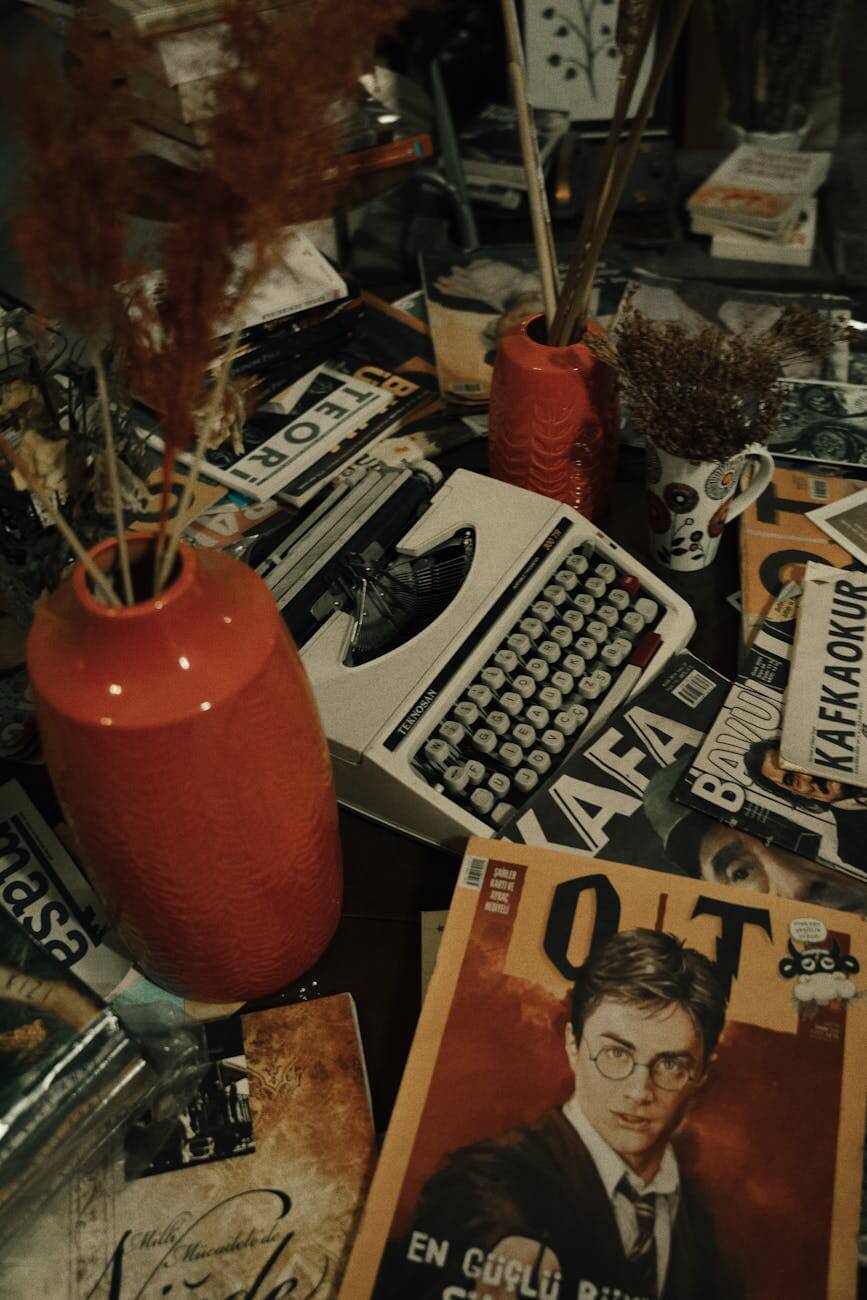
The Enemy of the Draft: Self-Censorship
We’ve all been there. You write a sentence, you delete it. You write another, you change a word. You spend an hour staring at the same paragraph, trying to make it “perfect.” By the time you’re done, the original spark—the raw energy that made you want to write the scene—is dead.
Jack Kerouac, the king of the Beat Generation, had a solution for this. He called it Spontaneous Prose. For Kerouac, the first thought was always the best thought. He didn’t want to “craft” a story; he wanted to “record” the electricity of the human mind. In 2026, where we are often paralyzed by the need for “SEO-perfection” or “AI-polished” prose, Kerouac’s method is the ultimate liberation.
Heads up: Some of the links below are affiliate links. If you buy something through them, I get a small commission at no extra cost to you. It helps keep this site running and the coffee brewing. Thanks for the support!
The Technique: Essentials of Spontaneous Prose
Kerouac actually wrote a list of “essentials” for this method. Here are the three most powerful tools you can add to your Toolbox today:
The “Continuous Scroll” Mentality
Kerouac famously wrote On the Road on a 120-foot roll of teletype paper so he wouldn’t have to stop to change pages.
- The Modern Application: When you’re drafting, turn off your backspace key. Or, even better, use an app that doesn’t let you delete (like Write or Die). The goal is to keep the “ink” flowing until the session is over. Don’t fix typos. Don’t fix grammar. Just run.
“Sketching” with Words
Kerouac didn’t “describe” scenes; he “sketched” them. He believed you should look at a memory or a street corner and try to capture its vibe through sound and rhythm, not just facts.
- The Toolbox Tip: Instead of thinking about plot, think about rhythm. Let your sentences be long, breathless, and full of “ands.” Write until you run out of breath, just like a jazz musician playing a solo.
No Revisions (Until the End)
“No emendations after-the-fact,” Kerouac insisted. While we eventually have to edit for the indie market, the drafting phase should be sacred. If you edit while you write, you are using the analytical side of your brain. To write great fiction, you need the creative, chaotic side in control.
Why Spontaneous Prose is Perfect for the Indie Author
In the world of self-publishing, momentum is everything. Kerouac’s method allows you to:
- Destroy Writer’s Block: If you aren’t allowed to be “perfect,” you can’t be “stuck.”
- Find Your Voice: Your true voice isn’t in the edits; it’s in the raw, unfiltered sentences that come out when you stop trying to sound like a “writer.”
- Scale Your Output: By focusing on speed and “flow state,” you can finish a first draft in weeks rather than years.
[Stuck in the “Saggy Middle” even with Kerouac’s speed? Read my guide on Plot Architecture.]
The Gear: The Modern Beat Toolkit
Kerouac had his teletype roll. You have digital tools that can mimic that freedom.
- The App: Scrivener’s “Composition Mode” is perfect for this. It hides everything but the text, turning your screen into a black void of pure focus.
- The Soundtrack: Kerouac was fueled by Bebop Jazz. Put on some Charlie Parker or Dizzy Gillespie. The fast, unpredictable tempo will push your fingers to keep up.
[Get the definitive “On the Road: The Original Scroll” on Amazon to see the raw power of spontaneous prose.]

Final Thought: Trust the First Spark
Kerouac once said, “It’s not what you feel that matters, it’s what you write.” Stop overthinking. Stop editing the life out of your stories. Just for today, be a little bit “reckless” with your words. The pavement is waiting.
Leave a Reply